

Surgery Helping dogs return to comfortable, active lives after cranial cruciate ligament (CCL) injuries. TPLO Surgery for Dogs

What is TPLO Surgery? TPLO (Tibial Plateau Leveling Osteotomy) is one of the most common and effective procedures used to treat cranial cruciate ligament (CCL) in dogs.

TPLO surgery stabilizes the knee by changing the biomechanics of the joint, helping dogs return to a more comfortable and active lifestyle.

Our surgical team works closely with families throughout every step of the process – from consultation and surgery to recovery and rehabilitation.
Signs Your Dog May Need TPLO

Common symptoms include:

  • Sudden limping
  • Difficulty rising
  • Sitting with one leg extended
  • Swelling around the knee
  • Reluctance to jump or play
  • Decreased activity level
  • Pain after exercise

Some dogs show symptoms suddenly, while other develop a gradual limp over time.

What to Expect During the TPLO Process

Surgical Consultation

Your pet will receive a full orthopedic examination and imaging to confirm the injury and determine if TOLO is the best treatment option.

Surgery Day

Patients are admitted in the morning and monitored closely throughout anesthesia and recovery. Pain management begins before surgery and continues throughout healing.

Recovery at Home

Strict activity restrictions are extremely important during the healing period. Most dogs require:

  • Leash walks
  • No running or jumping
  • Gradual return to activities over several weeks

Recheck Appointments

Follow-up visits and repeat radiographs help us monitor healing and guide recovery progression.

Recovery Expectations

Weeks 1-2
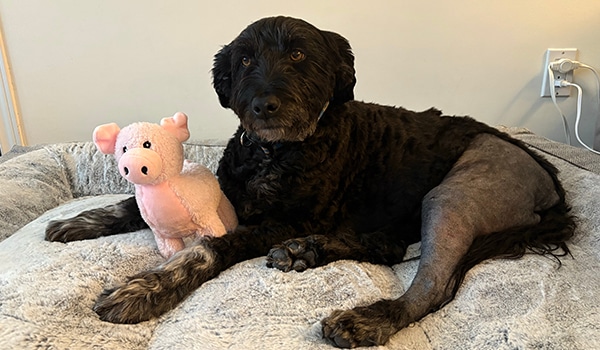
Rest, leash walks only, incision healing

Weeks 3-6
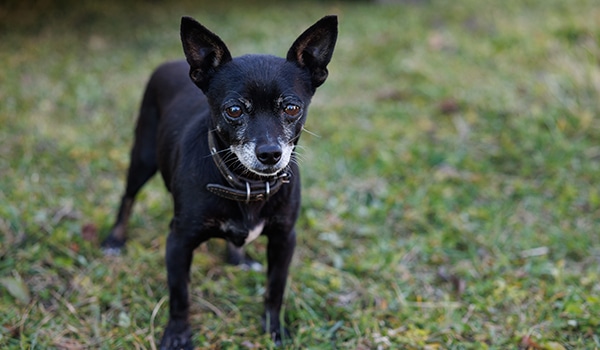
Gradual improvements in weight-bearing

Weeks 6-8
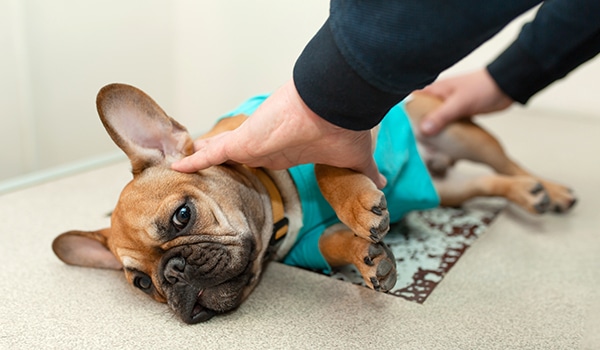
Follow-up radiographs performed

Weeks 8-12
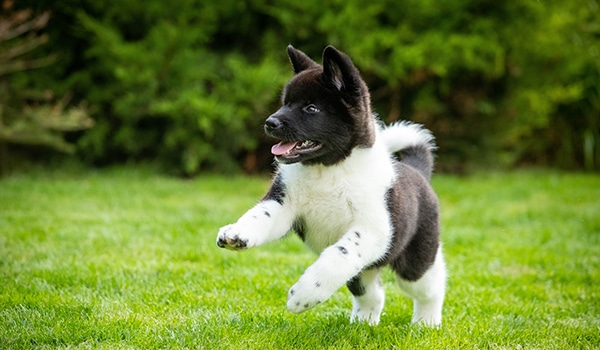
Slowly increasing activity

3-6 Months
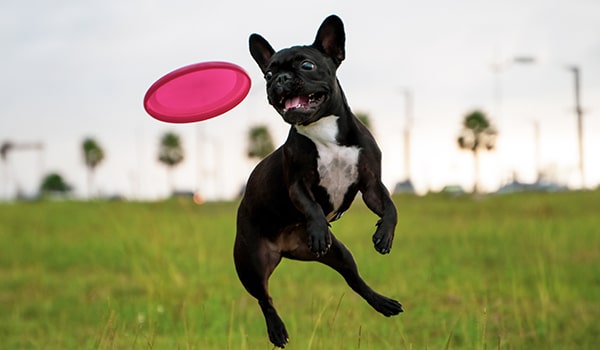
Continued strengthening and return to normal activity

Frequently Asked Questions

Most dogs recover over approximately 8-12 weeks, though full muscle rebuilding can take longer.
Some pets benefit greatly from rehabilitation exercises or physical therapy after surgery.
Pain management is a major priority before, during, and after surgery. Most dogs are significantly more comfortable once healing progresses.
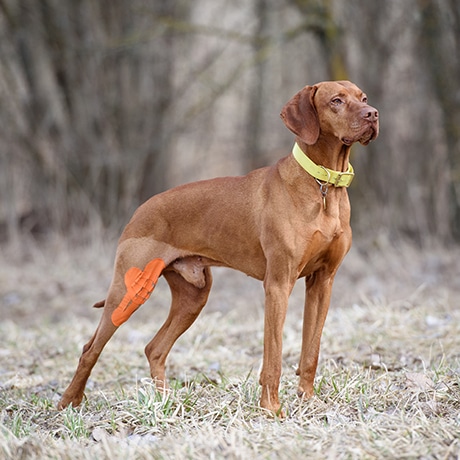
Most TPLO patients go home with a protective Lick Sleeve to help protect the incision site during healing. Some pets may still require an e-collar depending on their activity level or tendency to lick.